Contact us for information regarding our sample policy
Main Export Market(s)
Asia
Main Domestic Market
All India
About Fire Suit
Fire suits are specialized personal protective equipment designed to protect users from extreme heat, flames, and related hazards. They are categorized into different types, such to approach or enter fire zones, with varying protection levels and material compositions.
Types of Fire Suits
The appropriate fire suit depends on the specific hazard and environment.
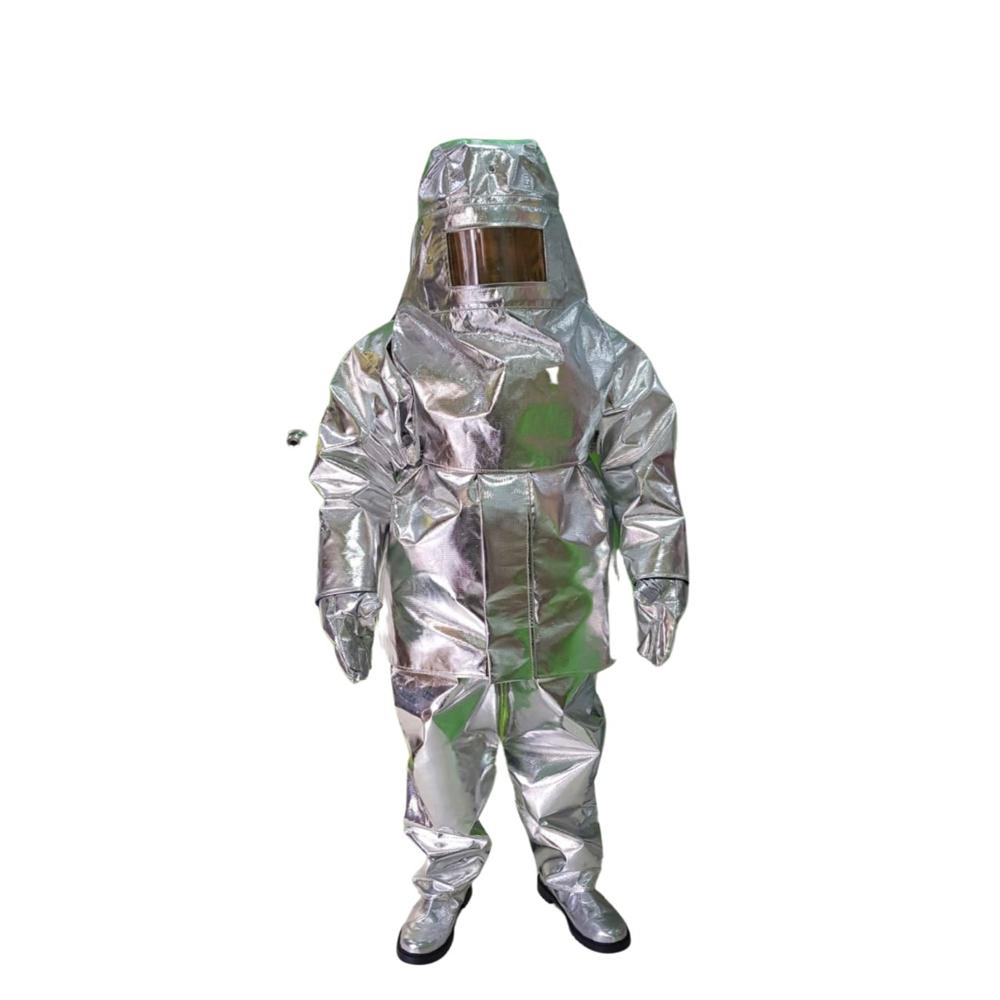
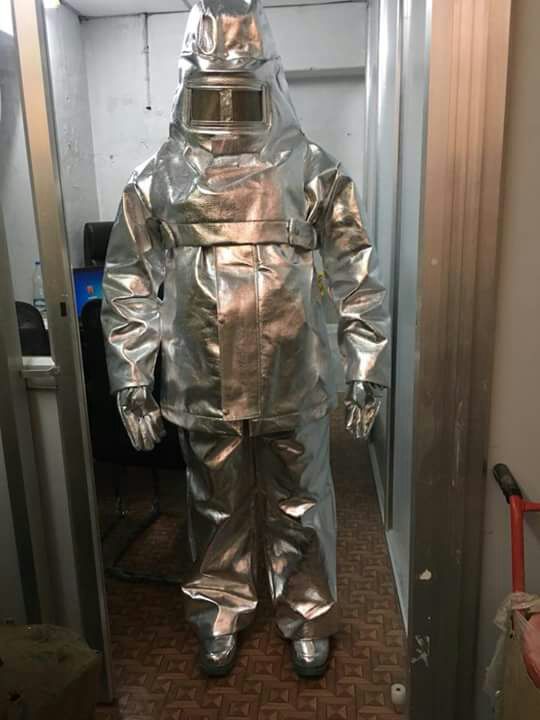
Approach Suit: Used for work in areas of high ambient temperatures and radiant heat, such as steel mills or foundries. They typically offer protection up to around 200F (90C) ambient heat and feature an aluminized outer layer to reflect heat.
Proximity Suit: Primarily used for aircraft rescue and firefighting (ARFF) and industrial heat zone operations, providing a higher level of protection than approach suits. They can withstand ambient heat up to approximately 500F (260C) and short duration radiant heat of 1000C-1200C (1832F-2192F). They are typically made of aluminized Kevlar/glass fabric.
Fire Entry Suit: These offer the highest level of protection, designed for short-duration entry into extreme heat and total flame engulfment, such as for kiln work. They can protect against ambient temperatures up to around 2,000F (1,100C) and radiant heat up to 3,000F (1,650C). These suits often have multiple layers (up to 7) of high-texturized silica fabric and thermal insulation.
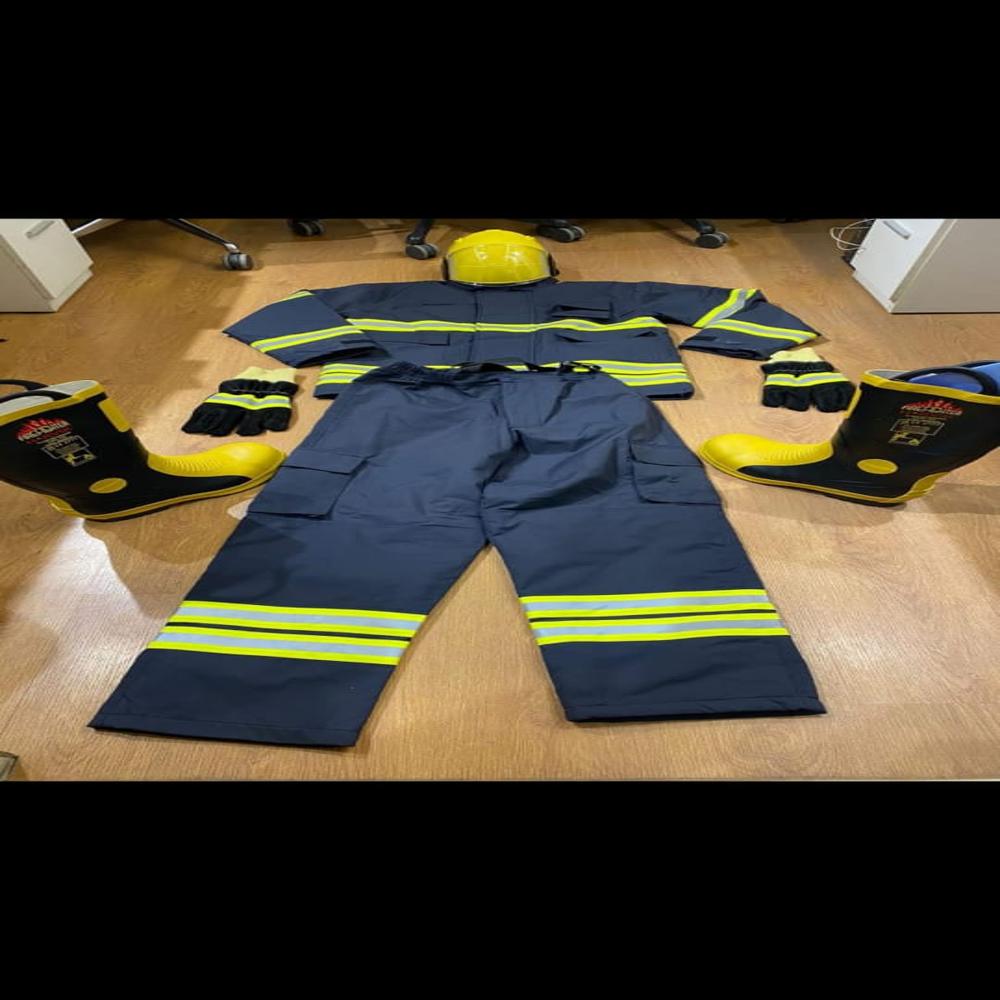
Structural Firefighting Suit (Turnout Gear): These suits are used by firefighters for structural fires and wildland firefighting. They are not typically aluminized but are made from flame-resistant materials like Nomex and are certified to standards like NFPA 1971 or EN 469.
Key Materials and Features
Fire suits use advanced materials and multi-layered construction to provide protection.
Outer Layer: Often features an aluminized finish to reflect up to 90% of radiant heat. Common materials include aluminized glass fiber or Kevlar fabric.
Inner Layers: Multiple layers of flame-retardant insulation (like woolen fabric or thermal barriers) and a comfortable, fire-retardant cotton lining are used to block conductive and convective heat and manage moisture.
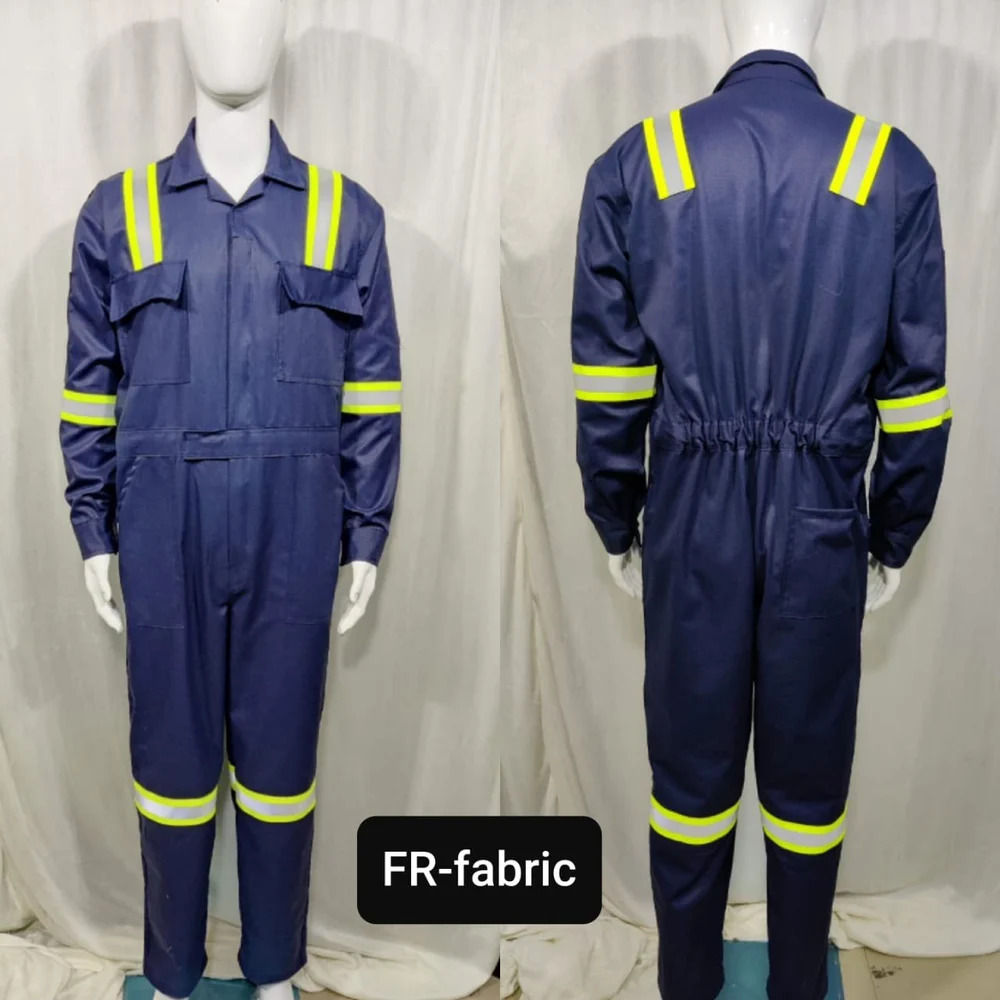
Components: A complete suit typically includes a hood with a gold-tinted polycarbonate visor, a coat and trousers (or a coverall), gloves, and fire-resistant boots.
Standards: Fire suits must meet stringent safety standards, such as NFPA 1971 or ISO 11612, and are often certified by independent third parties like UL Solutions.
Tell us about your requirement
Price:
Quantity
Select Unit
50
100
200
250
500
1000+
Additional detail
Mobile number
Email
Name
Comapny Name
Phone Number
Email Id
City / State
Confirm Your Requirement
Verification Code
Did not receive yet?
Resend OTP
You’re Done!
We have received your requirements and will reply shortly with the best price.




 Send Inquiry

 Send Inquiry
 Send Inquiry
 Send SMS